Fitness Equipment Powering Global Health — Evidence-Based Overview
How fitness equipment — from resistance machines to home gym systems — supports physical and mental health worldwide. Evidence-based review with citations and practical implications for manufacturers and suppliers.
Summary:Modern fitness equipment — commercial and home-use — plays an increasingly important role in enabling populations to meet evidence-based physical activity targets, improve cardiometabolic and mental health, and reduce long-term mortality risk. This article summarizes major findings from global guidelines and recent meta-analyses, and outlines practical implications for manufacturers and B2B sellers.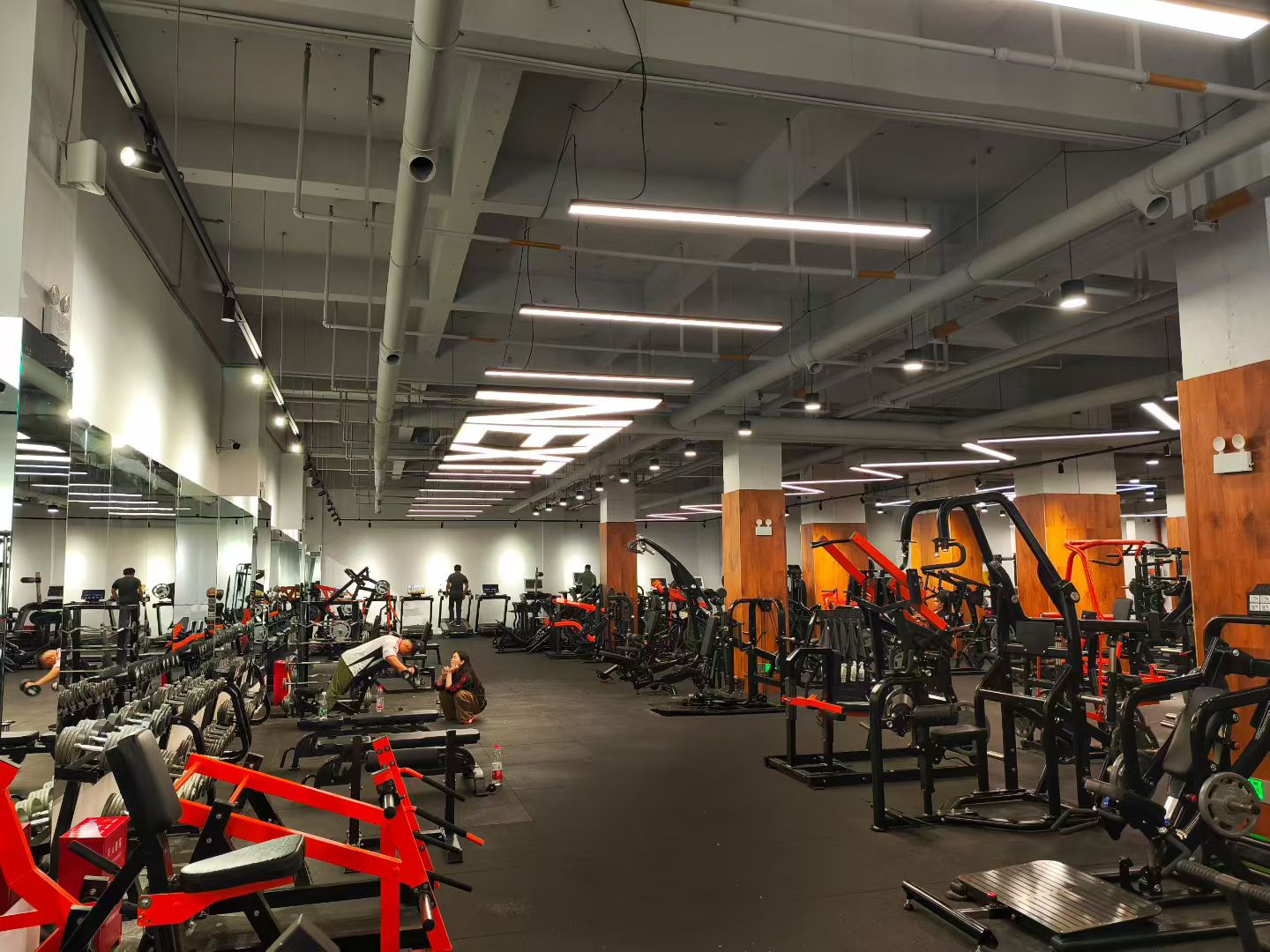
1) Public-health context: why equipment matters
Regular physical activity prevents and helps manage major noncommunicable diseases (cardiovascular disease, type 2 diabetes, some cancers), improves mental health, and boosts overall well-being — conclusions affirmed in WHO guidance and fact sheets. Enabling people to reach recommended activity levels (e.g., 150–300 min moderate aerobic activity per week plus muscle-strengthening activities) is a global priority; equipment that lowers barriers to exercise is therefore a public-health asset.
2) Evidence that muscle-strengthening (resistance) exercise provides unique benefits
Large systematic reviews and meta-analyses have found that regular resistance or muscle-strengthening activities are associated with lower risks of all-cause and cardiovascular mortality and improved metabolic markers (glucose, lipids). These benefits are complementary to aerobic exercise and are dose-responsive within practical ranges — making strength equipment (plate-loaded machines, selectorized machines, free weights) a critical category for long-term population health.
3) Home-based and hybrid solutions increase access and adherence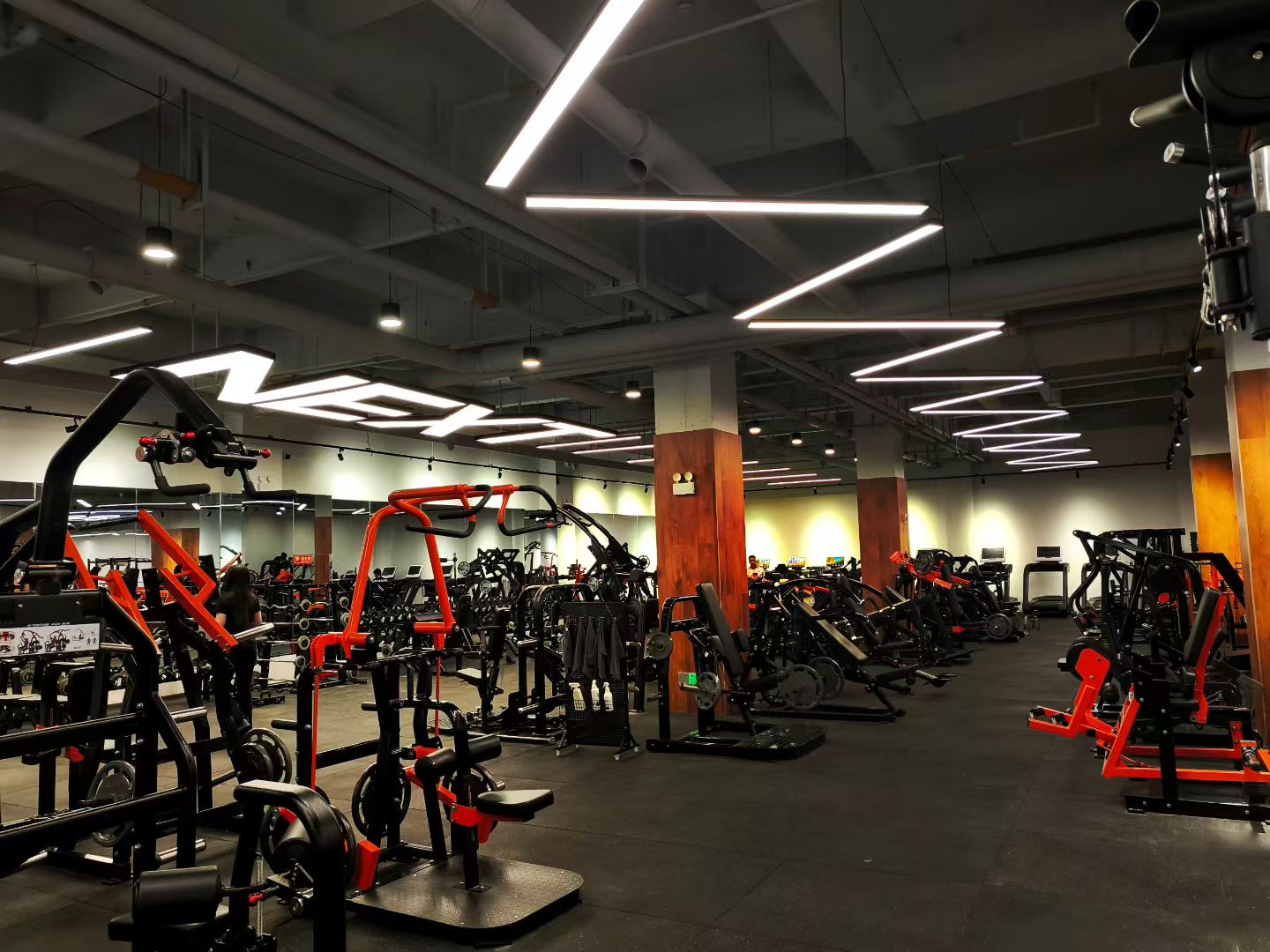
Research shows that well-designed home-based exercise systems and digital supports (apps, video coaching, reminders) can improve adherence to exercise programs and thus help more people sustain activity over time. For manufacturers and suppliers, offering affordable, compact, and connected equipment (with clear instructions or digital content) expands market reach and public-health impact.
4) Practical implications for factories and B2B suppliers
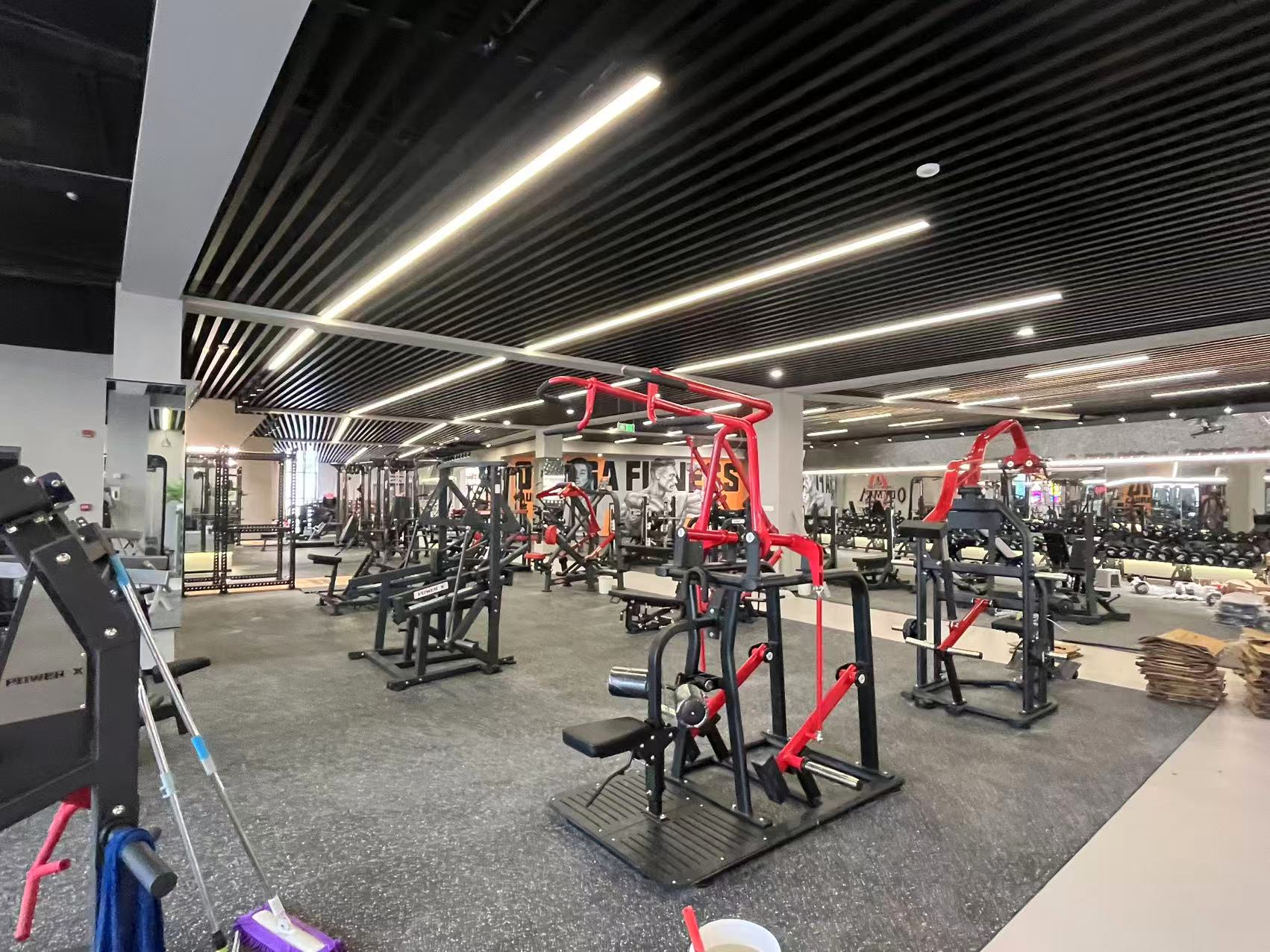
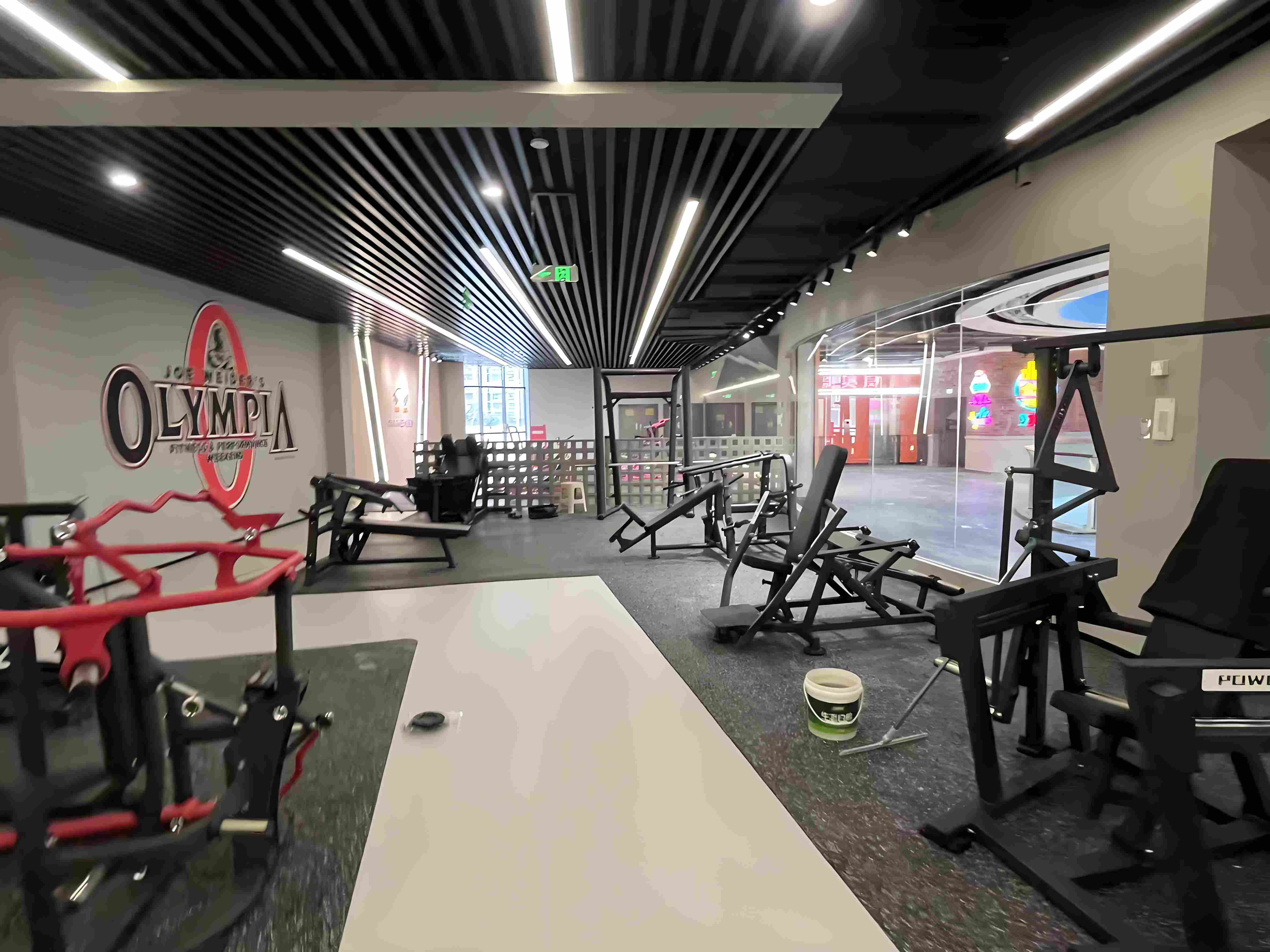
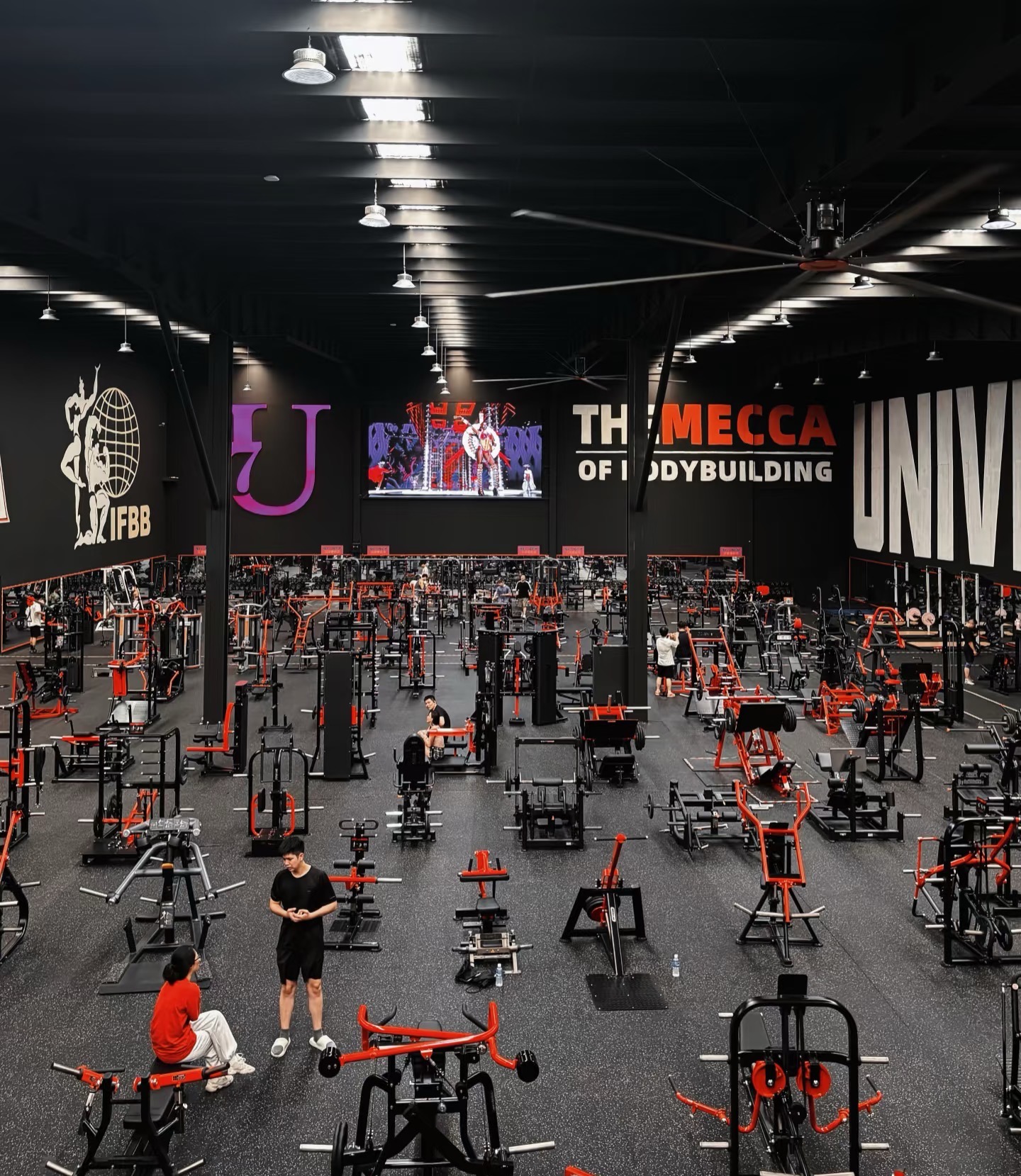
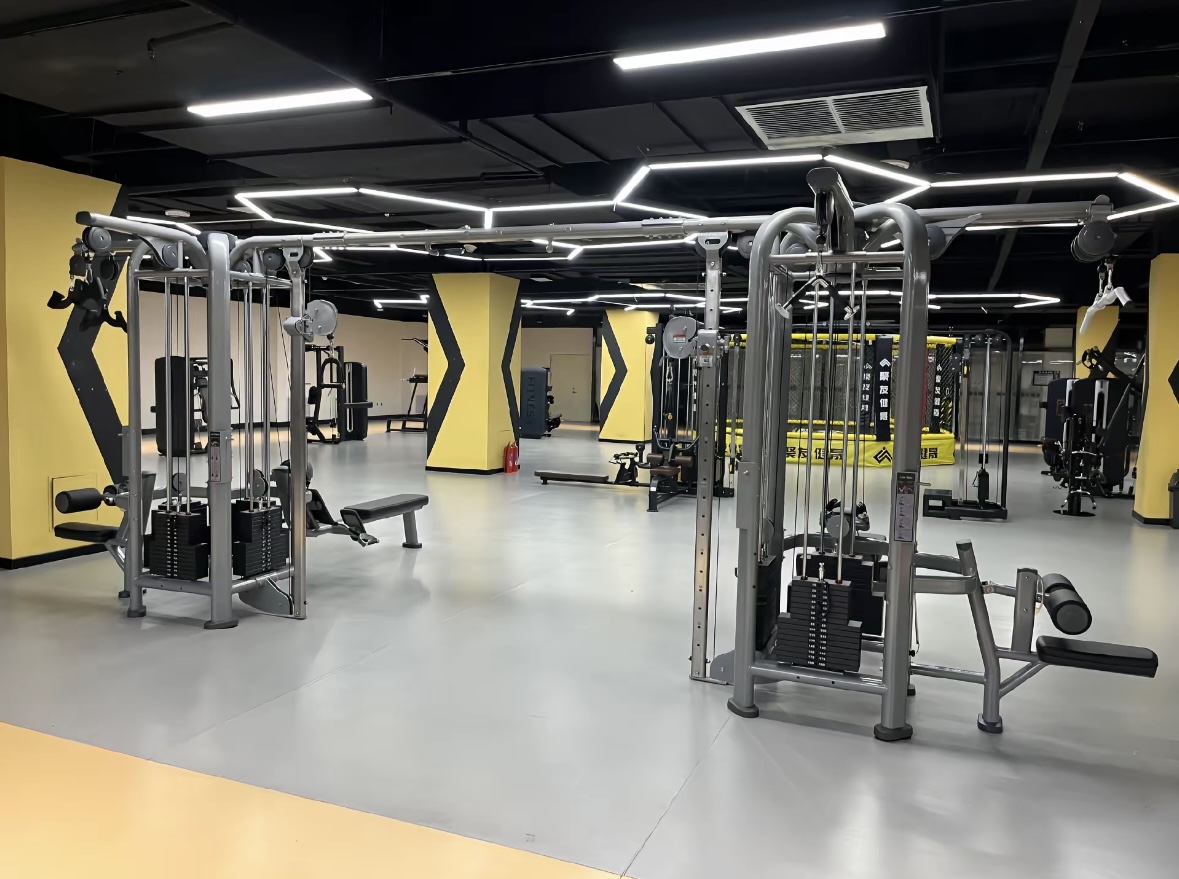
Product mix: prioritize muscle-strengthening machines (seated chest press, leg press, cable stations) alongside cardio to satisfy WHO-recommended activity patterns.
Accessibility & usability: design for easy onboarding (clear labels, quick-start guides), modularity, and safety features to increase adoption among novices and older adults.
Digital value-adds: bundle instructional content or app integration to raise adherence and perceived value. Evidence supports digital interventions improving home-exercise adherence.
Evidence communication: on product pages, cite peer-reviewed evidence and WHO guidance to educate buyers and end-users — this builds trust with gyms, clinics, and distributors.